Optimal Timing for Concrete Installations
Concrete installations are most effectively completed during specific times of the year to ensure optimal curing and durability. The ideal conditions involve moderate temperatures and low humidity, which contribute to proper setting and strength development. Timing can significantly impact the longevity and appearance of the finished surface.
Spring offers mild temperatures and lower humidity levels, making it a popular season for concrete work. This period reduces the risk of rapid drying or freezing, ensuring quality results.
While summer provides longer daylight hours, high temperatures and direct sunlight can cause rapid evaporation. Proper planning and shading are necessary to prevent cracking and surface imperfections.
Fall's cooler temperatures and lower humidity create favorable conditions for concrete curing. It is often preferred in regions with hot summers or unpredictable weather.
Cold temperatures can hinder proper curing and increase the risk of freezing damage. In colder climates, concrete installation is typically avoided unless special mixes or heating methods are used.
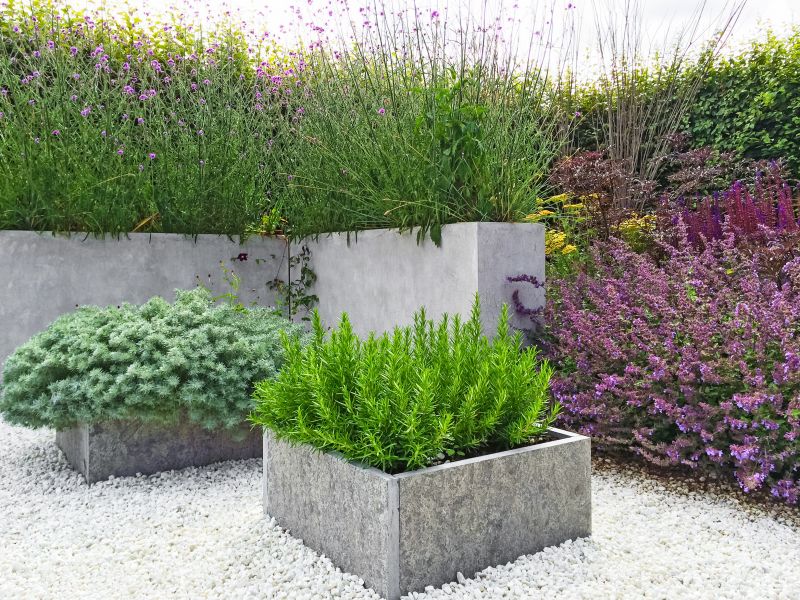
Ways to make Concrete Installations work in tight or awkward layouts.
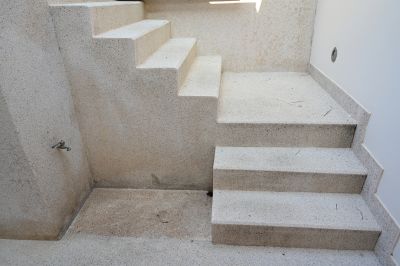
Popular materials for Concrete Installations and why they hold up over time.
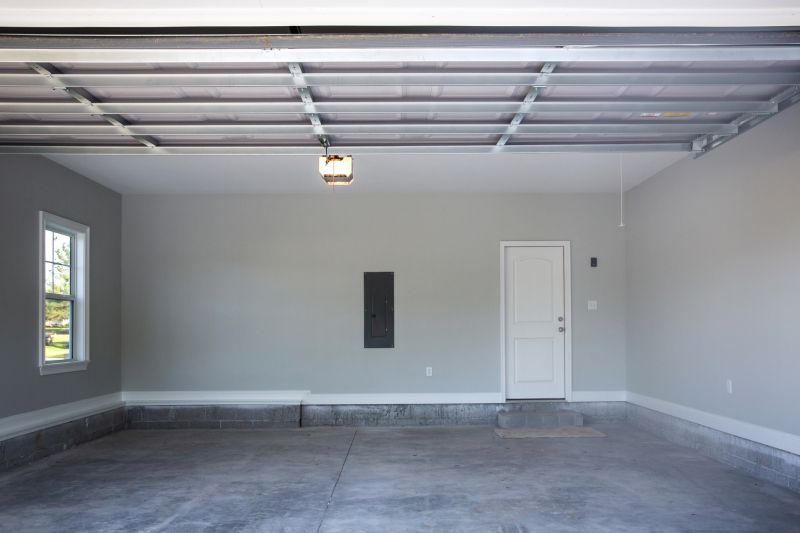
Simple add-ons that improve Concrete Installations without blowing the budget.
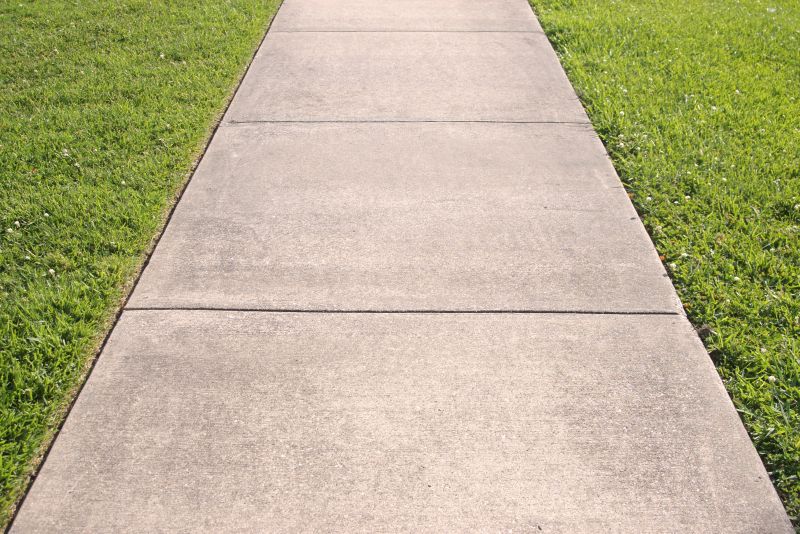
High-end options that actually feel worth it for Concrete Installations.
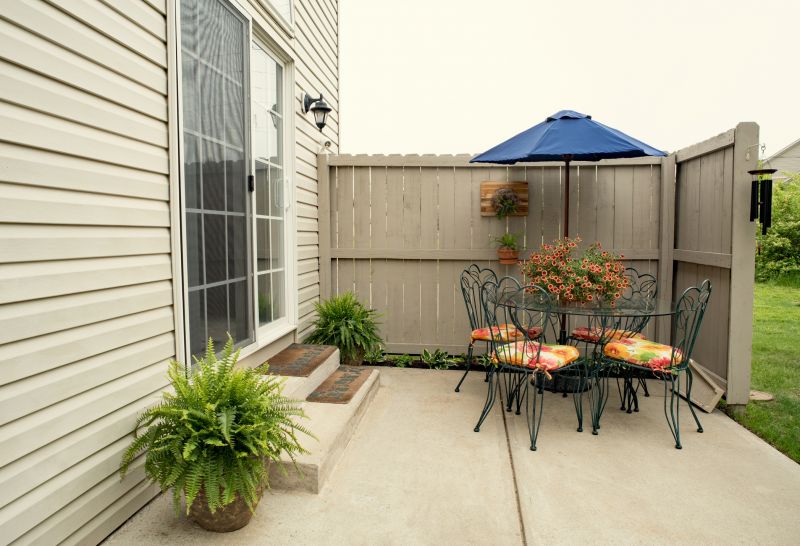
Finishes and colors that play nicely with Concrete Installations.
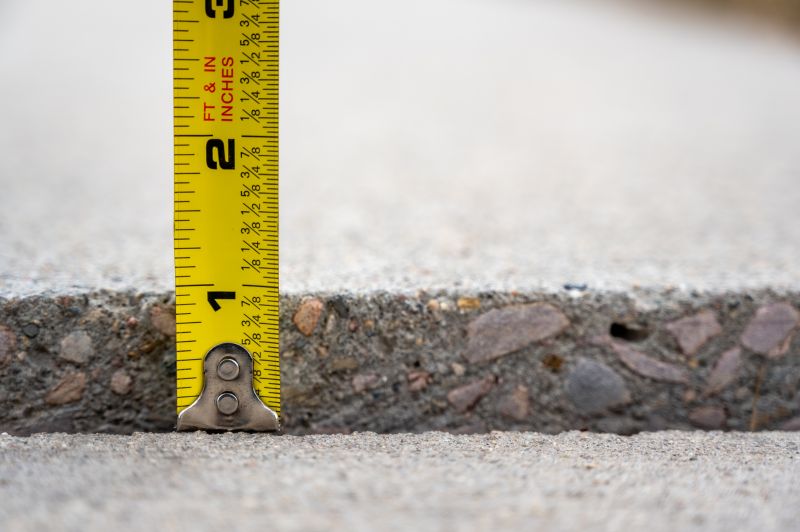
Little measurements that prevent headaches on Concrete Installations day.
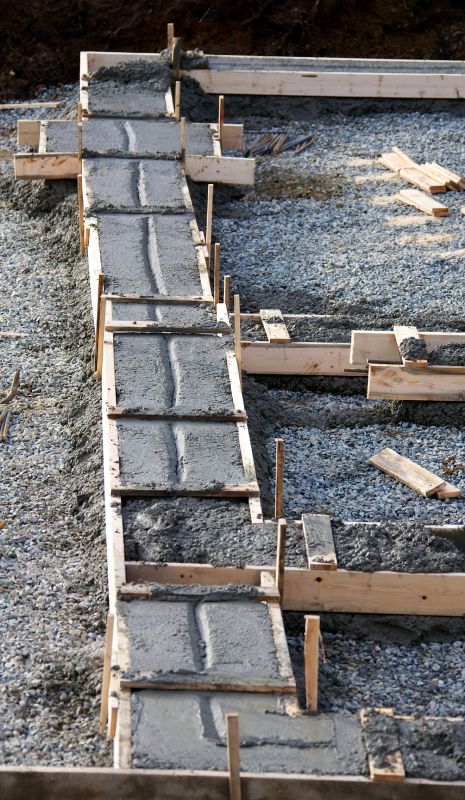
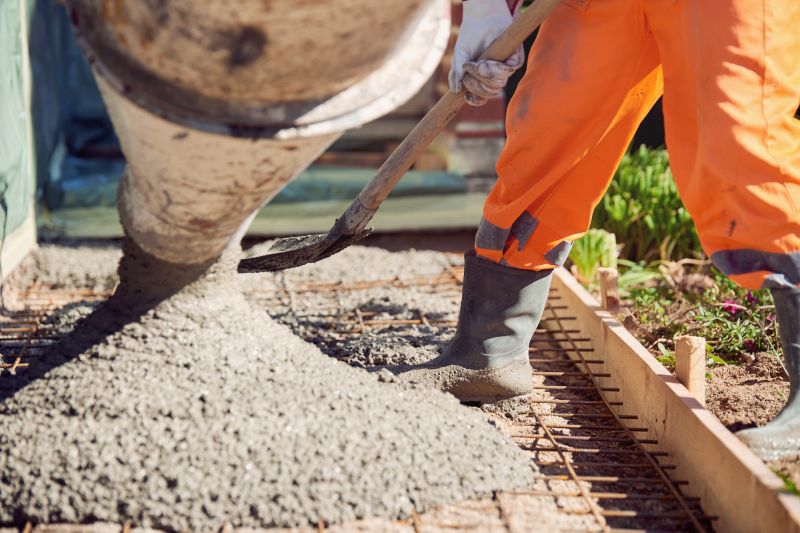
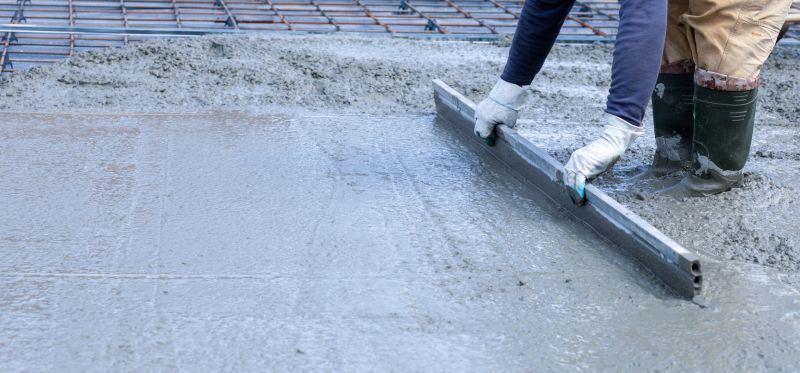
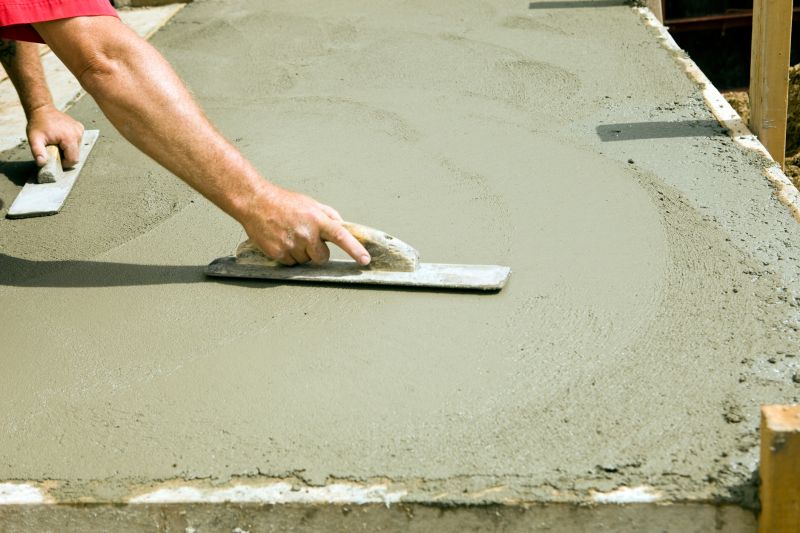
Concrete installations involve the placement and finishing of concrete to create durable surfaces such as driveways, patios, and walkways. Proper timing ensures that the concrete cures correctly, gaining strength and resistance to cracking. Seasonal considerations are essential to prevent issues related to temperature fluctuations and weather conditions.
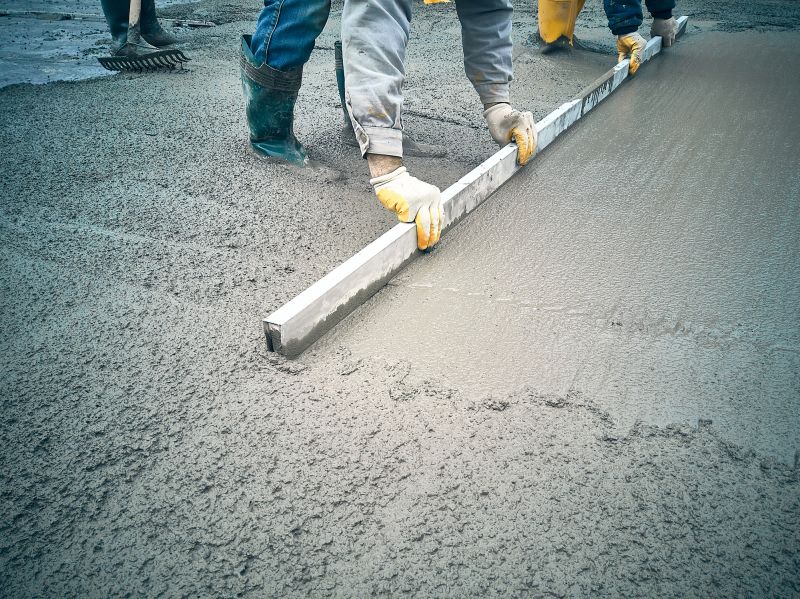
A 60-second routine that keeps Concrete Installations looking new.
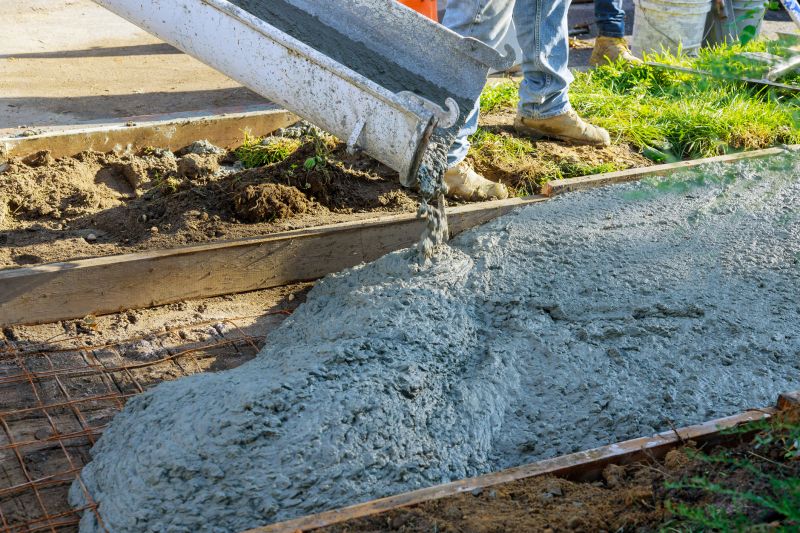
A frequent mistake in Concrete Installations and how to dodge it.

Small tweaks to make Concrete Installations safer and easier to use.
Lower-waste or water-saving choices for Concrete Installations.
| Season | Optimal Conditions |
|---|---|
| Spring | Moderate temperatures, low humidity, no freezing risk |
| Summer | Warm temperatures, avoid excessive heat, shade may be needed |
| Fall | Cooler temperatures, low humidity, stable weather |
| Winter | Cold temperatures, generally avoided unless using special methods |
Choosing the right season for concrete installation is vital for achieving a high-quality, long-lasting surface. Proper planning based on seasonal weather patterns can prevent common issues such as cracking, scaling, and improper curing. Consulting with a concrete professional can help determine the best timing for specific projects.
The short, realistic tool list for quality Concrete Installations.
Rough timing from prep to clean-up for Concrete Installations.
Quick checks and paperwork to keep after Concrete Installations.
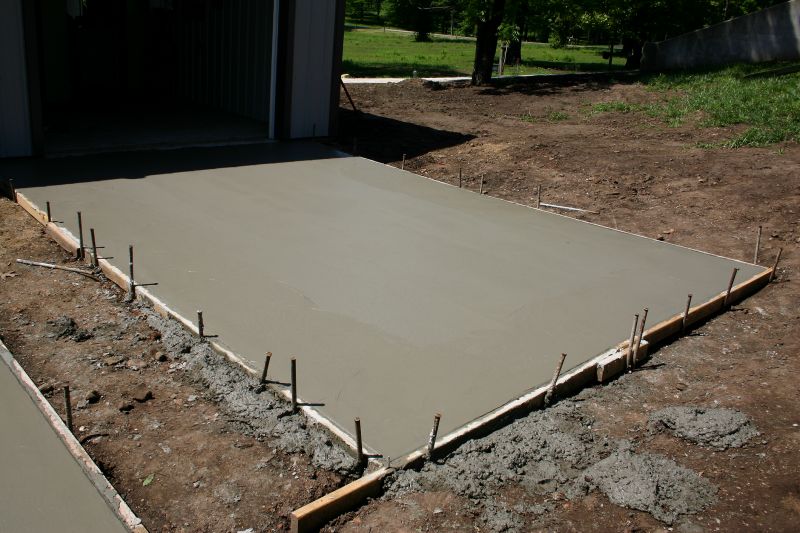
Examples that show the impact a good Concrete Installations can make.
Interested in scheduling a concrete installation? Filling out the contact form can provide more information and help determine the best timing based on project specifics and local climate conditions.